A dental implant incisor is a titanium root replacement plus a lifelike crown that restores a missing front tooth. This post will help you decide if a single front-tooth implant is the right choice for your smile, speech, bite, and long-term oral health. Many people worry about how a front implant will look, whether it will affect their ability to speak or bite into food, and how long the process takes. Read on to learn what an implant incisor does, who is a good candidate, the steps involved, risks and costs, and when to book a digital consult.
What Is a Dental Implant Incisor?
A dental implant incisor replaces the entire tooth structure — the titanium post goes into the jawbone where the root used to be, and a crown is attached to restore the visible tooth. Unlike a bridge, a dental implant incisor does not rely on adjacent teeth for support, so neighboring teeth stay untouched. Compared to a removable partial denture, an implant feels and functions more like a natural front tooth, helping to preserve bone where the tooth was lost.
Benefits of Choosing a Dental Implant Incisor
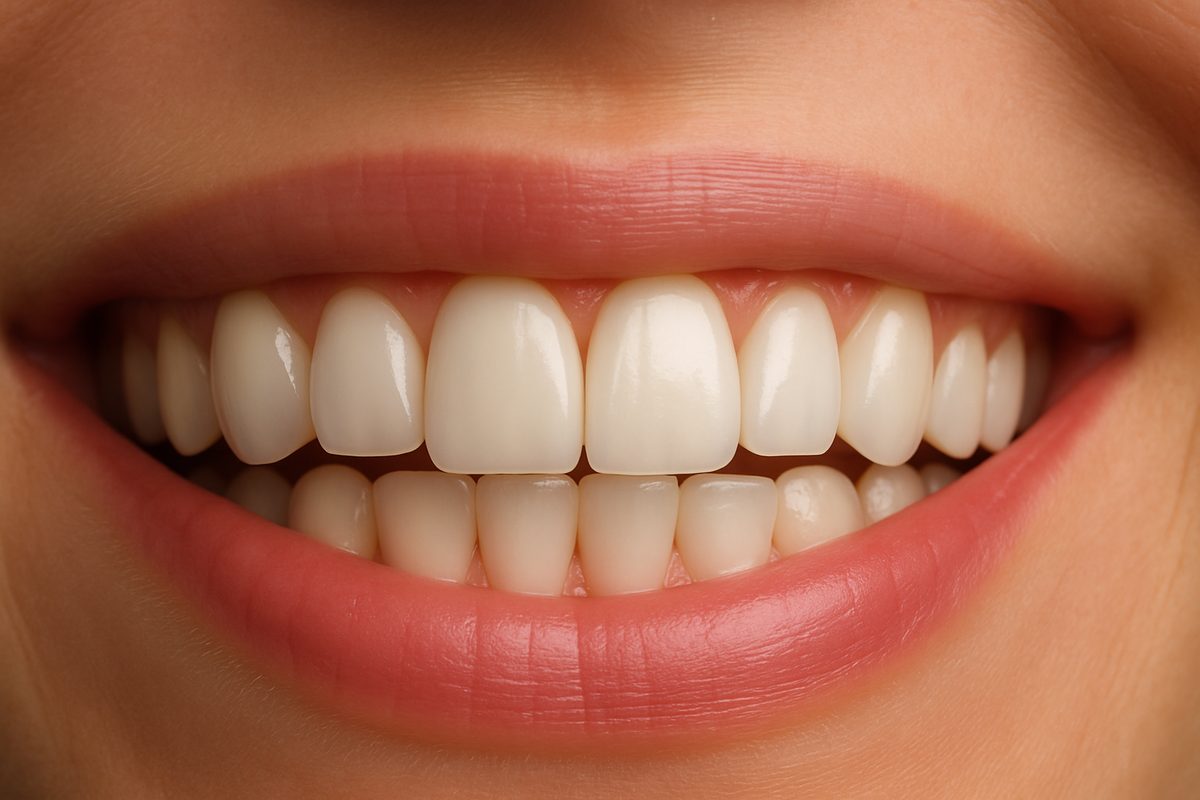
A dental implant incisor lets you bite and chew as you did with your natural tooth. Because the implant stimulates the jawbone, it prevents the bone loss that often occurs when a tooth is missing. Esthetically, a well-made implant crown preserves lip support and the natural smile line. Long term, an implant protects nearby teeth because it does not require grinding or altering them, and with good care an implant crown can last many years.
Alternatives to a Dental Implant Incisor
– Dental bridge: A bridge fills the gap by anchoring a false tooth to the adjacent teeth. It can work well but requires reshaping healthy teeth and does not prevent bone loss where the root is missing. – Removable partial denture: This is less expensive and non-invasive up front. It’s a temporary or budget option but can feel bulky, affect speech, and accelerate bone changes over time. – Veneer or bonding: If the root is intact but the front tooth is damaged, a veneer or composite bonding may restore appearance without implants. These options only apply when the natural root and tooth structure are salvageable.
Who Is a Good Candidate for a Dental Implant Incisor?
Good candidates are generally in good health, have healthy gums, and have enough jawbone to hold an implant. Smoking, uncontrolled diabetes, or poor oral hygiene raise the risk of failure. If the tooth has been missing for years or trauma has caused bone loss, a dental implant incisor in Denver, CO, may need a bone graft before placement. For front-tooth cases, the soft-tissue shape, gum height, and smile line are crucial: preserving gum tissue is key to achieving a natural look.
What to Expect: Step-by-Step for a Dental Implant Incisor
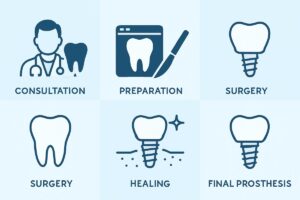
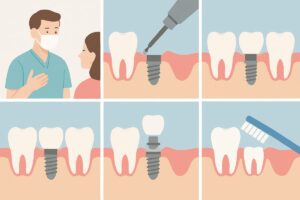
Initial consult & digital planning
You’ll start with a clinical exam, 3D cone-beam scans, and photos. Digital smile design helps plan the ideal tooth position, gum contours, and the crown shape so the implant looks natural with your smile.
Surgery & implant placement
Placement is done under local anesthesia or with sedation if you prefer. The titanium implant is placed into the jawbone at the planned angle and depth. Immediate care includes gentle rinsing, the application of cold packs, and the consumption of soft foods for a few days.
Temporary tooth & healing
Often, you’ll receive a provisional crown or temporary tooth while the implant bonds to bone (osseointegration), which typically takes a few months. Treat the temporary tooth like a delicate natural tooth—avoid hard or sticky foods and maintain excellent hygiene.
Final crown placement
Once healed, your final crown is made from materials such as zirconia or porcelain and shade-matched to adjacent teeth. With in-house CAD/CAM milling, crowns can be highly accurate and esthetic. Final adjustments ensure bite and appearance are ideal.
Risks, Recovery, and Longevity
Risks include infection, implant failure, or aesthetic issues such as gum recession. Proper planning and good oral hygiene minimize these problems. Expect mild swelling and discomfort for a few days; most normal activities resume within a week. Long-term success depends on brushing, flossing, regular dental visits, and avoiding harmful habits like smoking or clenching.
Cost, Financing, and Timeline for a Dental Implant Incisor
From consultation to final crown, the timeline usually spans several weeks to a few months; grafting or more complex healing can extend this period. Cost varies by implant type, grafts, crown material, lab fees, and clinician experience. Financing plans and phased payments are common; ask about warranties and maintenance programs when comparing options.
How Touchstone’s In-House Lab Improves Dental Implant Incisor Care
Touchstone’s on-site lab speeds the process and improves fit. Milling machines and 3D printers allow same-day provisionals and tighter-fitting implant crowns, reducing remakes and chair time. Digital planning, combined with chairside zirconia or acrylic options, yields a more predictable aesthetic outcome. For failing implants, Touchstone offers LAPIP™ laser therapy, and broad sedation options keep patients comfortable during front-tooth procedures.
Why Choose an Experienced Implant Team
An experienced team reduces risk and improves outcomes. Dr. Justin F. Becerra brings advanced surgical training and a structured, evidence-based workflow that includes digital planning and a documented follow-up protocol. This level of training is crucial for achieving front-tooth esthetics and maintaining long-term function.
Common Questions About Dental Implant Incisors (FAQ)
– How long does a dental implant incisor last? With proper care, implants often last decades; crowns may need replacement sooner. – Will my speech change after a front tooth implant? Usually, speech returns to normal once you adapt to the crown; provisionals help during the healing process. – Can I get a same-day replacement for my front tooth? Many patients receive a provisional crown on the same day of surgery; final crowns follow after the healing period. – What if my gum line is uneven? Soft-tissue shaping or grafting can even the gum line for better esthetics before the final crown.
Closing / Next Steps
A dental implant incisor is a strong choice when you want a long-term, natural-looking solution for a missing front tooth. If you’re considering a dental implant incisor in Denver, CO, schedule a digital consult or 3D scan to assess your candidacy and learn about same-day provisional options. A brief evaluation can help determine whether an implant is suitable for your smile and lifestyle.