Are dental implants medical necessities? Many people assume dental implants are just cosmetic, but they can be vital to health and function. This article explains when medical dental implant issues are present, the health benefits dental implants provide, common risks and contraindications, insurance and documentation tips, and why choosing a practice with an on-site lab can matter for medically driven care.
When Are Dental Implants Medical Necessity?
Dental implants are medically necessary when tooth loss causes or results from problems that affect overall health or normal function. Clear examples include traumatic tooth loss that prevents proper chewing, teeth removed during cancer surgery, congenital defects that impair speech or feeding, or chronic infections that lead to weight loss or repeated systemic illness. In these cases, dental implants restore function, protect surrounding tissues, and treat the medical problem—not just improve appearance.
Medical Conditions That Lead to Dental Implant Procedures
Trauma and Tooth Loss
When an injury removes teeth or damages the jaw, dental implants rebuild the bite and prevent further harm. Restoring proper tooth position reduces abnormal forces that can cause jaw pain, tooth wear, or TMJ issues.
Cancer, Tumor, or Reconstructive Needs
Surgery for oral cancer or tumor removal often requires prosthetic replacement of lost structures. Dental implants anchor dentures or dental bridges to restore chewing, speech, and facial support after resection, aiding nutrition and recovery.
Severe Periodontal Disease or Chronic Infection
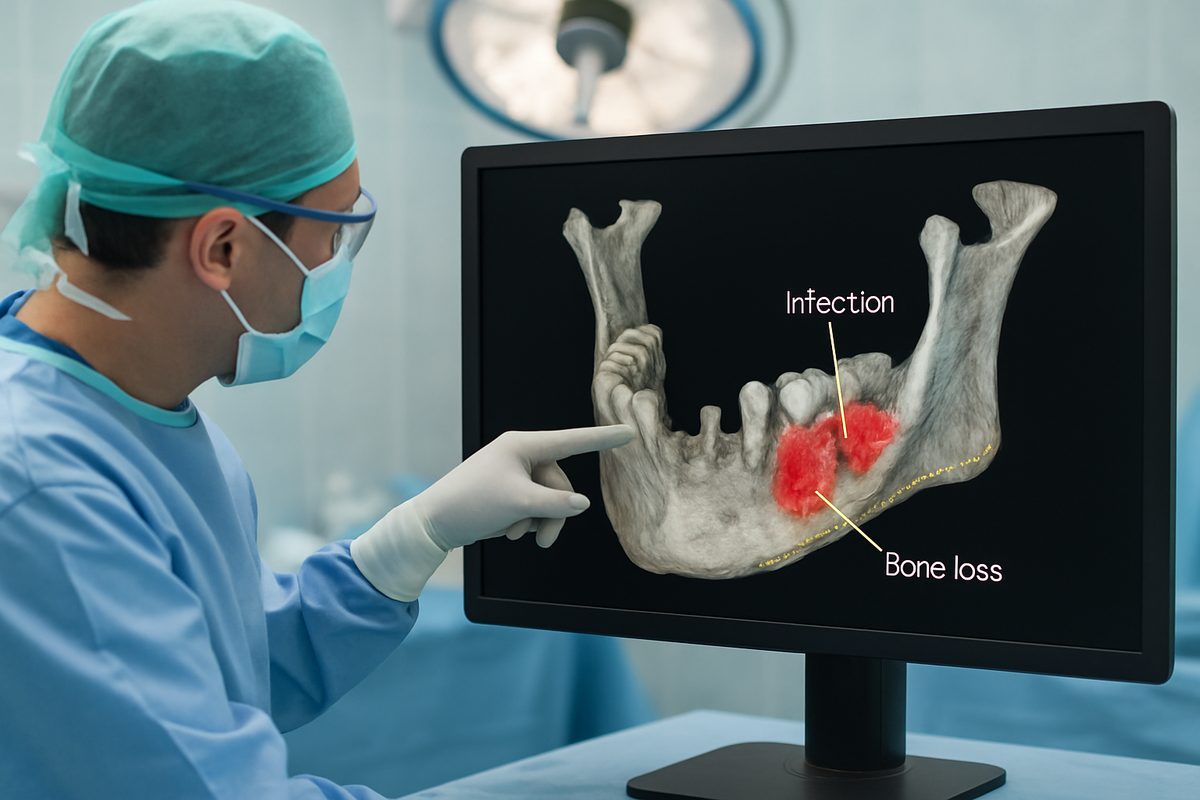
Longstanding infections can destroy bone and teeth, making chewing painful or ineffective. Replacing irreparably damaged teeth with dental implants can stop recurrent infections and help patients regain adequate nutrition and immune resilience.
Health Benefits Beyond Cosmetics: dental implants medical
Dental implants preserve jawbone by transmitting normal chewing forces to bone, preventing the shrinkage that follows tooth loss. They restore full chewing efficiency so patients can eat a balanced diet, improve speech clarity, and stop adjacent teeth from shifting. These are measurable health outcomes—weight stability, improved lab markers of nutrition, fewer infections—not only a better-looking smile.
When Dental Implants Are Elective (Not Medical)
Dental implants are elective when they are chosen mainly for appearance or convenience. Examples: replacing a single tooth where a dental bridge or partial denture works well, elective full-arch upgrades when existing dentures function adequately, or purely cosmetic smile makeovers. Less invasive alternatives like dental bridges or removable dentures may be appropriate and less costly.
Risks, Contraindications, and How Medical Status Is Determined
Common risk factors include uncontrolled diabetes, heavy smoking, recent head/neck radiation, and certain bone medications (bisphosphonates). Clinicians use medical history, clinical exam, and imaging (CBCT) to assess risk and medical need. Documentation from medical providers and clear notes on how tooth loss affects nutrition, speech, or infection risk help determine medical necessity.
Insurance, Medical Necessity Claims, and Practical Steps
Medical vs dental insurance handle dental implants differently. To pursue coverage, patients need medical referrals, ICD diagnosis codes showing functional loss, and documentation (notes, imaging, treatment plans) that link dental implants to medical care. Ask your provider to submit a medical necessity letter and be prepared to appeal with additional medical records if denied.
Why an In-House Lab Matters for dental implants medical
An on-site lab that mills and 3D-prints restorations makes a big difference when dental implants are medically necessary. Same-location fabrication allows same-day provisionals, tighter fit, fewer remakes, and faster resolution of functional problems. Faster turnaround lowers time without teeth and reduces risk of nutritional decline or oral infection during treatment.
About Touchstone Dental Implant Center and Dr. Justin F. Becerra
Touchstone Dental Implant Center provides end-to-end dental implant care led by Dr. Justin F. Becerra. The center uses digital planning and a fully functioning in-house lab with milling and 3D printing to deliver same-day provisionals and precise final restorations. Services include LAPIP™ for failing dental implants, broad sedation options, and a 10-year maintenance warranty—features that support accountable, long-term medical care.
Schedule Your Dental Implants Medical Consultation
Ask your dentist: Are dental implants necessary? Can you document the medical need? Do you fabricate restorations in-house? What are sedation options and warranty details? Contact us to schedule a consult and get a personalized medical evaluation and a clear plan for restoring function and health.