Many people ask about “teeth fake” when they want a lasting solution for missing teeth. The phrase often refers to dental implants — artificial tooth roots plus tooth crowns that look and act like natural teeth. Understanding what dental implants are and how they compare to dentures or dental bridges helps you pick the right option. This article clears up common questions about dental implants: how dental implants work, who is a good candidate, the step-by-step treatment, risks, daily care, cost, and why an on-site lab matters for faster, better-fitting prosthetics.
What Are Dental Implants (aka “teeth fake”)
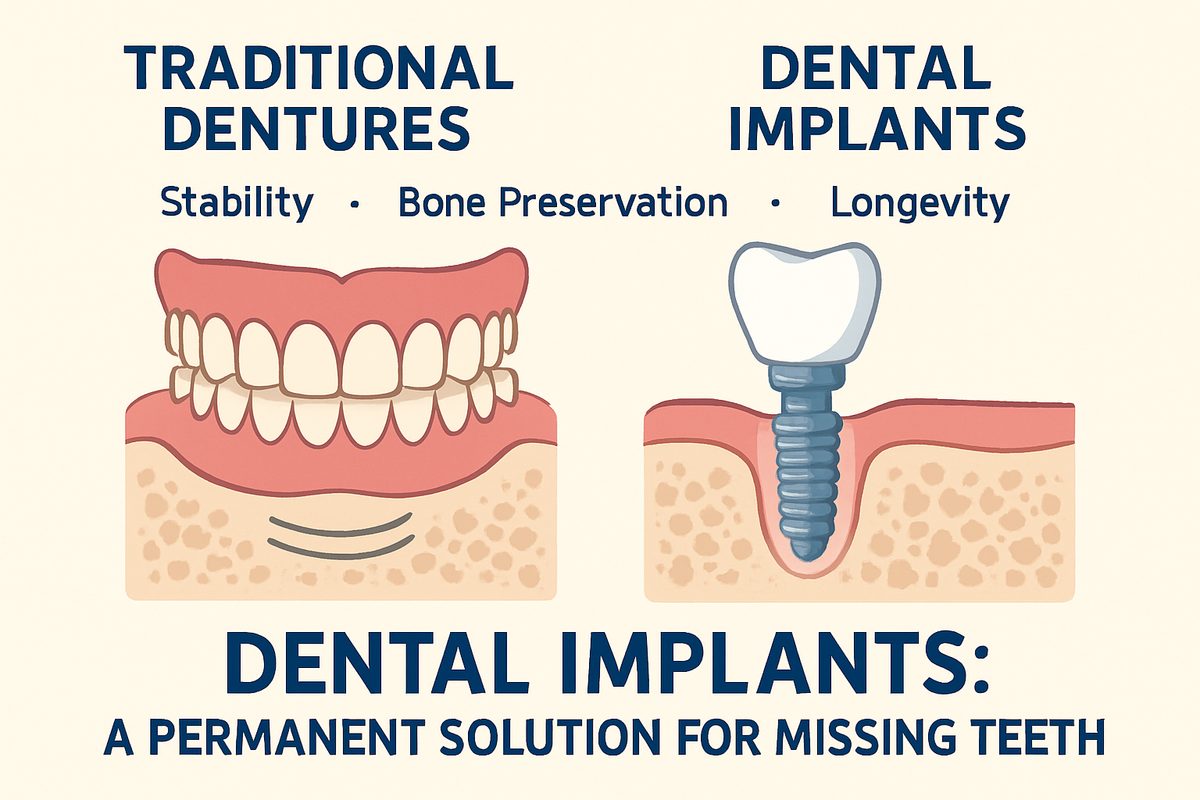
Dental implants are metal posts placed into the jawbone to replace missing tooth roots. A typical dental implant system has three parts: the dental implant (the titanium post), the abutment (connects the post to the tooth crown), and the tooth crown or prosthesis (the visible tooth). Together, they provide stable chewing function and a natural look. Many people call these teeth fake, but dental implants fuse with bone to act much like real teeth.
How Dental Implants Differ From Dentures and Dental Bridges
Dental implants are fixed and anchored in bone, so they feel more stable than removable dentures. Unlike dental bridges, dental implants don’t require grinding down neighboring teeth. They help preserve jawbone by transferring chewing forces into bone, which slows bone loss. Dentures can be cheaper up front but may shift, need adhesives, and don’t prevent bone shrinkage. Everyday care for dental implants is like natural teeth: brushing, flossing, and regular cleanings.
Who Is A Good Candidate For Dental Implants
Good candidates are adults with reasonably healthy gums and enough jawbone to support dental implants. Chronic conditions (uncontrolled diabetes), heavy smoking, or certain medications can affect healing. Bone grafting can help patients with low bone volume. Age alone isn’t a barrier — many older adults are excellent candidates if overall health allows.
The Dental Implant Treatment Path: Step-by-Step
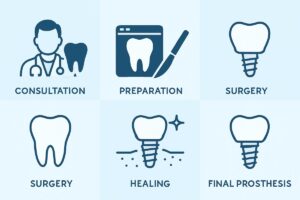
Consultation and Digital Planning
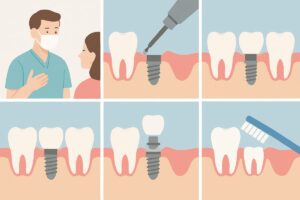
Your dentist will take scans and X-rays to plan dental implant placement. Digital planning shows exact dental implant positions and helps design final teeth. Expect a discussion of options and a personalized plan.
Surgery and Temporary Teeth
Dental implant placement is a surgical procedure done with local or IV sedation if needed. Many practices offer immediate temporary teeth so you leave with a natural smile. Pain is usually managed with standard post-op medication and rests.
Healing and Final Restoration
Osseointegration — the process where bone fuses to the dental implant — takes a few months. After healing, the abutment and final tooth crown or prosthesis are attached. You’ll return for follow-up checks to ensure fit and function.
Pros, Cons, and Possible Risks of Choosing “Teeth Fake”
Pros: long lifespan, strong chewing, bone preservation, and natural appearance. Cons: higher initial cost, multiple visits, and surgical risks. Common complications include infection, dental implant failure, or looseness. Watch for persistent pain, swelling, or mobility and seek prompt care.
Everyday Care and Long-Term Maintenance
Brush twice daily, floss around dental implants, and schedule professional cleanings. Avoid hard habits (ice chewing). If a prosthesis feels loose or painful, call your dentist — early repair lowers risk of failure.
Cost, Timeline, and Financing Options
Cost depends on the number of dental implants, bone grafts, materials (zirconia vs. acrylic), and lab work. More complex full-arch cases and premium materials raise price. Many practices offer financing, in-house payment plans, or third-party medical/dental lenders to spread payments.
Why On‑Site, In‑House Lab Matters for Dental Implant Prosthetics
An on-site lab with CAD/CAM, milling, and 3D printing speeds delivery and improves fit. Same-day provisionales reduce time without teeth and cut remakes. In-house manufacturing gives tighter quality control over your teeth fake in Denver, CO and faster adjustments when needed.
About Touchstone Dental Implant Center and Dr. Justin F. Becerra
Touchstone is an end-to-end dental implant practice led by Dr. Justin F. Becerra, trained in advanced dental implant surgery and digital workflows. The center uses digital planning, an on-site lab with milling and 3D printing, LAPIP™ for at-risk dental implants, and offers sedation options and a 10-year maintenance warranty.
How To Get Started If You Want Reliable “Teeth Fake”
Contact us to schedule a consultation, request a digital records review, and ask about in-house fabrication and the warranty. If you’re searching for dental implants by Lakewood, CO or dental implants by Denver, CO, ask about same-day provisional options and the practice’s long-term follow-up plans.