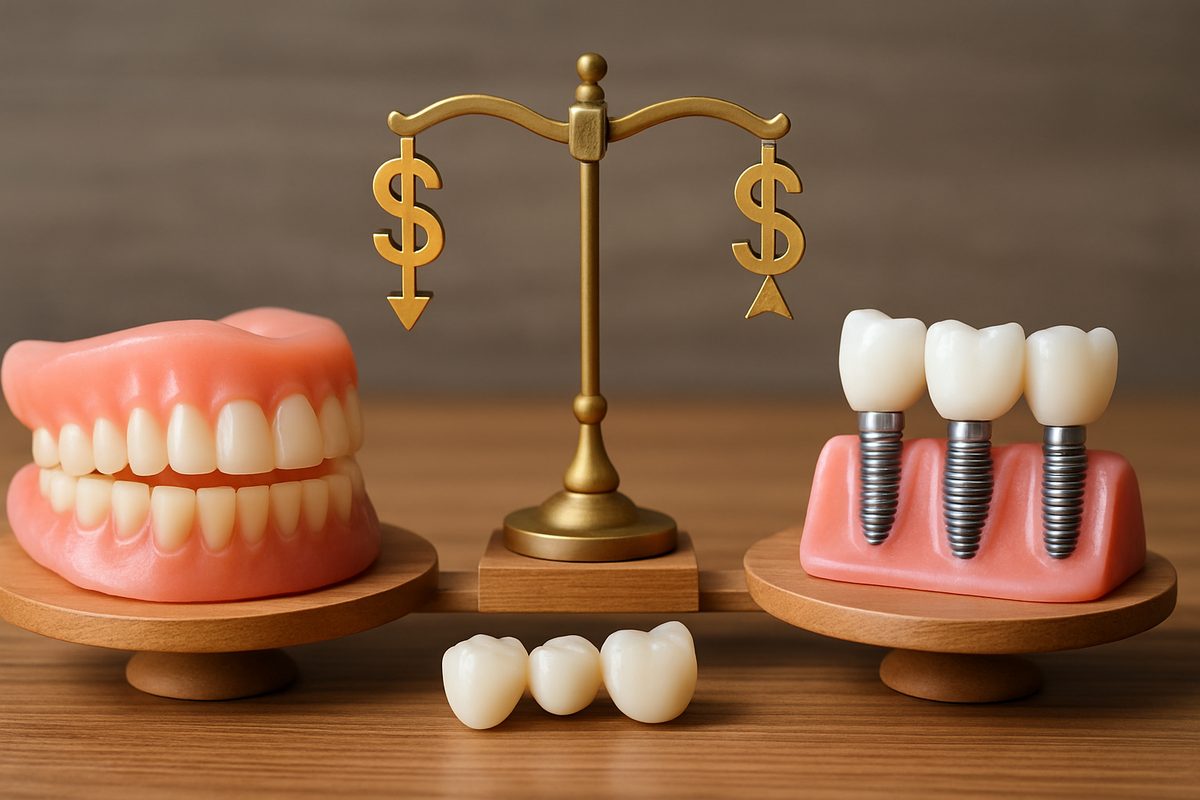
Looking for the cheapest teeth replacement is natural, but cost alone can be misleading. A cheap tooth replacement option often points to the lowest upfront price, not the true long-term value. This article compares common options, short- and long-term costs, and shows when paying more now can save money later on repairs, bone loss, or repeat treatments.
Common options for replacing missing teeth
Removable dentures
Partial and full dentures are the lowest-cost option up front. Labs and materials are simple, so fabrication is quick and inexpensive. Pros: fast fit, low initial price, and easy to remove for cleaning. Cons: they can loosen, need daily maintenance, may need frequent relines, and usually wear out sooner than fixed solutions.
Fixed dental bridges
Dental bridges replace missing teeth by anchoring to adjacent teeth with tooth crowns. They cost more than dentures but less than dental implants. Dental bridges restore chewing faster than dentures and feel more natural. Downsides: healthy neighboring teeth must be altered, and dental bridges often need replacement every 5–15 years, adding long-term cost and potential loss of tooth structure.
Dental implants
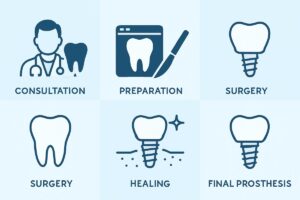
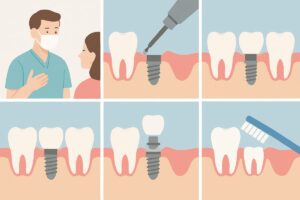
Dental implants are a durable tooth-root replacement that supports tooth crowns, dental bridges, or full-arch prosthetics. Upfront cost is higher, but they preserve bone and can last decades with proper care. This practice makes dental implant prostheses in-house—using on-site milling and 3D printing—for faster turnaround, tighter fit, and better cost control on complex cases and fewer remakes.
What “cheapest teeth replacement” actually means
Cheapest can mean lowest initial fee or lowest lifetime cost. True cost includes expected lifespan, chance of repairs or remakes, impact on oral health (like bone loss or harm to adjacent teeth), and ongoing maintenance. A low-price denture might cost less today but more in five years if you need frequent relines, adhesives, or a replacement.
Hidden costs to watch for
Watch for extra charges that raise the real price: denture relines and adjustments, tooth crown or bridge remakes, bone grafts or extractions before dental implants, specialist or anesthesia fees, and time off work. Travel, follow-up visits, and replacement parts also add up. These hidden costs can make a cheap option more expensive over time.
How to choose based on budget and health
If you need a short-term fix or have a very limited budget, dentures may be appropriate. Choose a dental bridge when adjacent teeth already need tooth crowns. Opt for dental implants when you want long-term function, bone preservation, and fewer future procedures. Check insurance benefits, ask about in-office financing, and consult a specialist if you have complex bone or health issues.
Why consider Touchstone Dental Implant Center
Touchstone Dental Implant Center, led by Dr. Justin F. Becerra, focuses on predictable dental implant care. The office uses digital planning, an on-site lab with milling and 3D printing, same-day provisional options, LAPIP™ for failing dental implants, multiple sedation choices, and a 10-year warranty. These systems cut surprises, reduce remakes, and can lower the real long-term cost of your care.
Find the Cheapest Teeth Replacement for You
Bring recent x-rays, medical history, and a budget range to your consult. Checklist: goals (appearance/function), teeth you want replaced, and timing. Book an exam to get a personalized cost comparison and timeline. Contact us to schedule a consultation to review options and learn which path gives you the best long-term value.